
In today’s society, there is no shortage of ways to receive information – it is shoved in our faces every time we open a social media or news app on our phones, or open up our laptops. Because of the enormous amounts of information that we are viewing on a regular basis, media literacy is more important now more than ever. Media literacy education equips individuals with the skills and knowledge needed to navigate the complexities of the modern media landscape, empowering them to critically analyze, evaluate, and create media content across diverse platforms (NAMLE, 2026). The responsibility to teach media fluency falls to several individuals, including teachers, parents, guardians, and content creators as well.
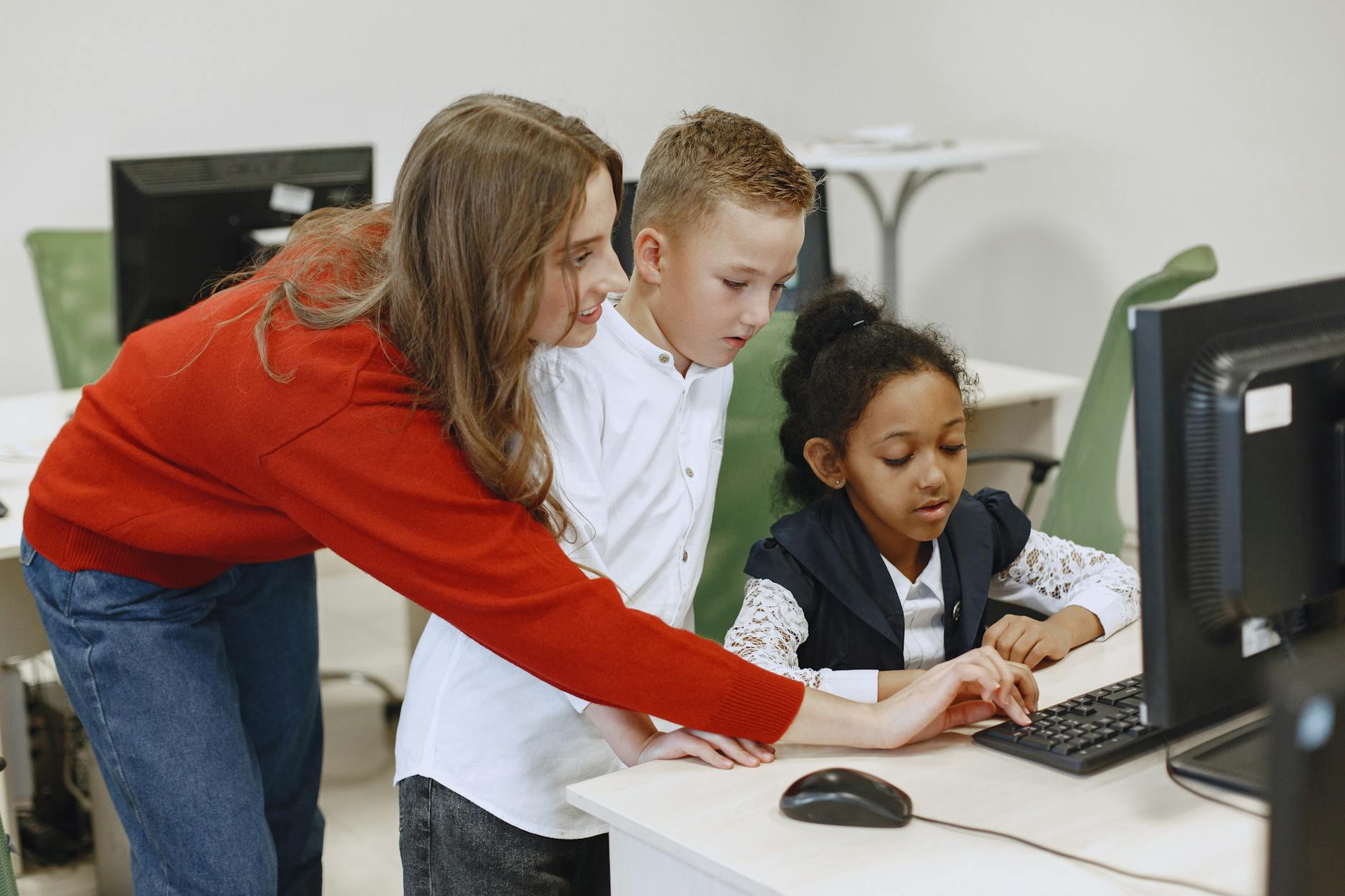
Looking at media fluency from an educator’s point of view, it is the educators responsibility to help learners develop the knowledge, skills, and competencies needed for life in an increasingly digital and mediated world (NCTE, 2022). Media education helps learners understand the strengths and limitations of different media forms through an examination of the texts and literacy practices of everyday life, including informative, entertaining, and persuasive genres (NCTE, 2022). Media literacy education improves people’s ability to spot false news and make more informed decisions, enhancing their engagement with current affairs and promoting healthier choices in their personal and civic lives (NAMLE, 2026). Educators who teach media literacy in their classrooms help students develop other critical learning skills, including critical thinking, media analysis, information literacy, digital literacy, news literacy, communication skills, ethical awareness, empathy and perspective-taking, cultural competence, creative expression, self-reflection, and more (NAMLE, 2026).
Digital citizenship is a huge part of media literacy that educators need to focus on helping their students understand. Being a responsible digital citizen means that all individuals are able to use technology ethically, responsibly, and effectively (Dene Poth, 2023). Students need to understand the impact of their words, the importance of respectful conversations between others online, and their responsibility to share truthful information. Students should also understand the importance of privacy for themselves and for others online. With more students using digital tools and at a younger age, it is essential to build in activities that will help students to better understand how to protect themselves and to respect the privacy of others as well (Dene Poth, 2023).
As the digital world continues to quickly evolve, we must help our learners understand media, question the authenticity of media, and learn to use media for the good of others.
References:
Dene Poth, R. (2023, November 16). Developing students’ digital citizenship skills. Edutopia. https://www.edutopia.org/article/teaching-digital-citizenship-skills/
National Association for Media Literacy Education. (2026, April 12). Why is media literacy important? National Association for Media Literacy Education. https://namle.org/why-media-literacy/
National Council of Teachers of English. (2022, April 9). Media education in English Language Arts. National Council of Teachers of English. https://ncte.org/statement/media_education/#:~:text=Empowering%20Voice%20with%20Writing%2C%20Speaking,%2C%20entertaining%2C%20and%20persuasive%20genres.


Leave a Reply